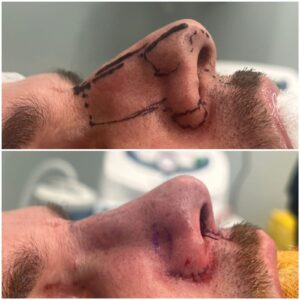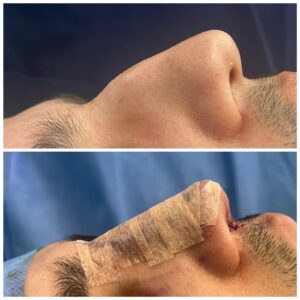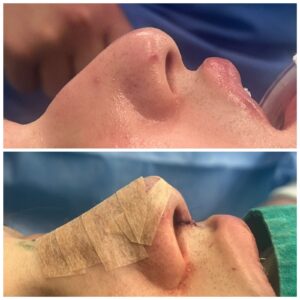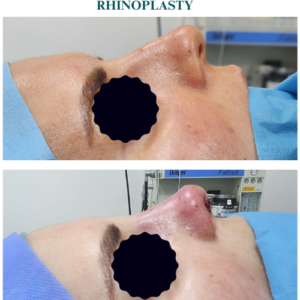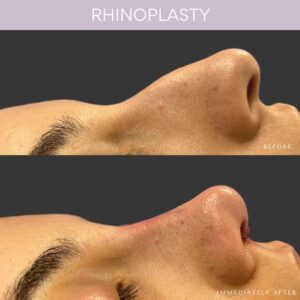
RHINOPLASTY
Rhinoplasty, commonly referred to as a “nose job,” is a cosmetic procedure designed to enhance the shape, size, and function of the nose. At Key Clinic, we offer both aesthetic and functional rhinoplasty options tailored to meet your specific needs and goals. Our expert surgeons use advanced techniques to achieve natural-looking results that harmonize with your facial features and improve nasal function.
Procedure Overview
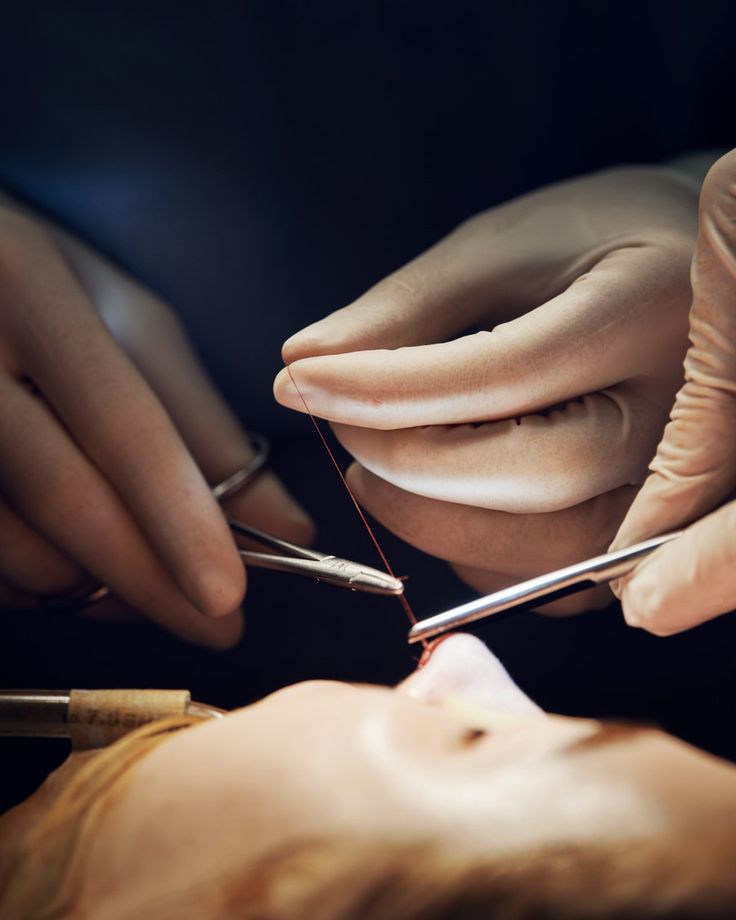
- Description: Rhinoplasty involves modifying the structure of the nose through surgical techniques. This can include reshaping the nasal bones and cartilage, adjusting the nasal tip, and refining the overall contour. The procedure can address aesthetic concerns, such as size and shape, as well as functional issues like breathing difficulties.
- Benefits: Enhances the appearance of the nose, improves facial harmony, and corrects structural abnormalities for better nasal function.
Types of Rhinoplasty Techniques
Cosmetic Rhinoplasty:
- Description: Focuses on improving the aesthetic appearance of the nose by altering its shape, size, or proportion. Common adjustments include refining the nasal tip, straightening the bridge, or narrowing the nostrils.
- Benefits: Achieves a more balanced and harmonious facial appearance by enhancing the nose’s shape and proportion.
- Recovery: Includes temporary swelling and bruising, with final results visible after several months.
Functional Rhinoplasty:
- Description: Addresses functional issues such as breathing difficulties due to structural abnormalities or nasal obstruction. The procedure may involve correcting a deviated septum, repairing nasal valves, or removing polyps.
- Benefits: Improves nasal airflow and breathing function, providing relief from nasal congestion and obstructions.
- Recovery: Similar to cosmetic rhinoplasty, with temporary discomfort and swelling gradually resolving over a few weeks.
Revision Rhinoplasty:
- Description: Performed to correct or refine the results of a previous rhinoplasty. This technique may address residual issues or enhance the outcomes of an earlier procedure.
- Benefits: Offers an opportunity to achieve improved results and address any concerns from a previous surgery.
- Recovery: Similar to primary rhinoplasty, with a recovery period that allows for final adjustments and healing.
Ideal Candidates
Rhinoplasty is suitable for individuals who:
- Are dissatisfied with the appearance or function of their nose.
- Have realistic expectations about the outcomes and are in good overall health.
- Have fully developed noses (usually recommended for individuals over age 15 for females and age 17 for males).
- Seek to improve facial harmony or address functional issues related to nasal structure.
Benefits
Rhinoplasty offers several key benefits, including:
- Enhanced Nasal Appearance: Achieves a more aesthetically pleasing nose that complements your facial features.
- Improved Facial Harmony: Enhances overall facial balance and proportion by refining the nose’s shape and size.
- Better Nasal Function: Corrects functional issues, such as breathing difficulties, for improved comfort and quality of life.
- Increased Self-Confidence: Boosts self-esteem and satisfaction with your appearance by addressing concerns about nasal aesthetics or function.
Risks and Considerations
While rhinoplasty is generally safe, potential risks include:
- Scarring: Surgical incisions inside the nostrils or across the columella (the area between the nostrils) may leave scars, though they are typically well-hidden.
- Swelling and Bruising: Temporary swelling and bruising are common and usually resolve within a few weeks.
- Infection: There is a risk of infection, managed through proper sterile techniques and post-operative care.
- Changes in Nasal Sensation: Temporary or permanent changes in nasal sensation may occur.
Recovery Process
The recovery period for rhinoplasty includes:
- Initial Healing: Expect some swelling, bruising, and discomfort, which can be managed with prescribed medications and supportive care.
- Post-Operative Care: Follow specific instructions for nasal care, including avoiding strenuous activities and wearing a nasal splint as directed.
- Follow-Up Appointments: Regular follow-up visits are essential to monitor healing and ensure optimal results.
- Gradual Resumption of Activities: Resume normal activities and exercise gradually based on your surgeon’s recommendations.
GALLERY