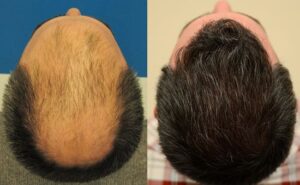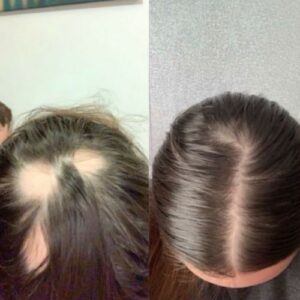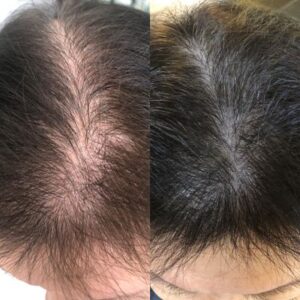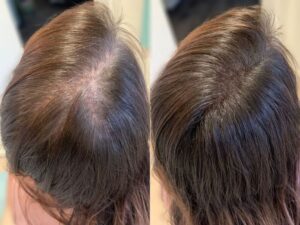
HAIR TRANSPLANT
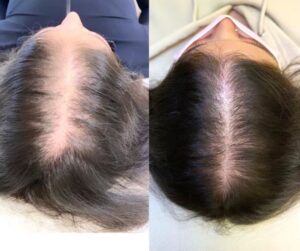
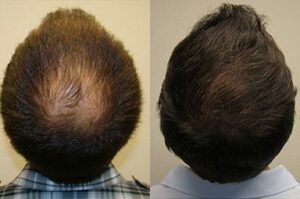
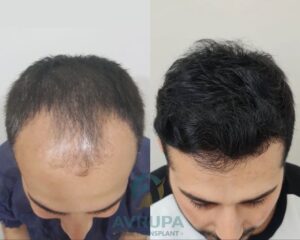
A hair transplant is a surgical procedure that involves moving hair follicles from one part of the body (usually the back or sides of the scalp, known as the donor site) to areas with thinning or no hair (the recipient site). There are two primary techniques for hair transplantation:
Follicular Unit Transplantation (FUT): Also known as strip harvesting, this method involves removing a strip of scalp from the donor area, dissecting it into individual follicular units, and transplanting these units into the recipient area.
Follicular Unit Extraction (FUE): This technique involves extracting individual hair follicles directly from the donor area using a specialized instrument and transplanting them into the recipient site.
Direct Hair Implantation (DHI): A more advanced technique where hair follicles are extracted individually and implanted directly into the recipient area using a specialized tool called a Choi Implanter Pen. This method allows for greater precision, denser placement, and more natural results.
Ideal Candidates
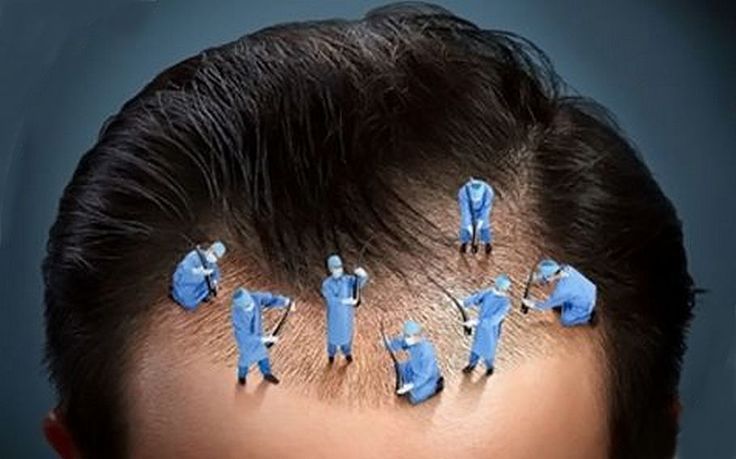
- Hair Loss: Suitable for individuals experiencing male or female pattern baldness, thinning hair, or hair loss due to trauma or surgery.
- Health Conditions: Generally appropriate for healthy individuals without conditions that might affect healing or hair growth, such as severe scalp infections or uncontrolled chronic diseases.
- Expectations: Ideal for those with realistic expectations about the results, which can take several months to become fully visible.
Benefits
- Natural Results: Provides natural-looking hair growth as the transplanted follicles continue to grow hair in their new location.
- Permanent Solution: Offers a long-term solution for hair loss, as transplanted hair is typically permanent and continues to grow for a lifetime.
- Minimal Downtime: Most patients experience minimal downtime and can return to normal activities relatively quickly.
- Customized: The procedure can be tailored to match the patient’s natural hair pattern and desired outcome.
Risks and Considerations
- Postoperative Care: Proper care is essential to avoid complications such as infection or poor graft survival.
- Temporary Shedding: Transplanted hair may shed in the initial months before new growth begins, which is a normal part of the process.
- Potential Side Effects: Possible side effects include swelling, bruising, and discomfort in the donor or recipient areas.
- Results Timeline: Full results can take several months to a year to become apparent as the transplanted hair grows and matures.
Recovery Process
- Post-Treatment Care: Patients should follow specific aftercare instructions, including avoiding vigorous activities, protecting the scalp from direct sun exposure, and using prescribed medications to aid healing.
- Initial Recovery: Swelling and discomfort may occur in the days following the procedure, but these typically resolve within a week or so.
- Hair Growth Timeline: New hair growth usually starts within a few months, with continued improvement over the following 6-12 months as the hair follicles establish themselves and begin producing new hair.
GALLERY