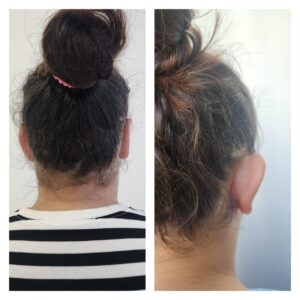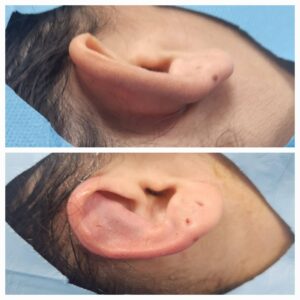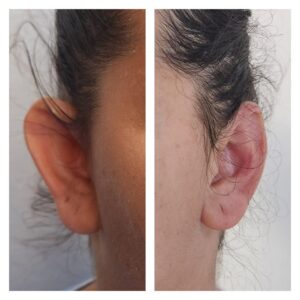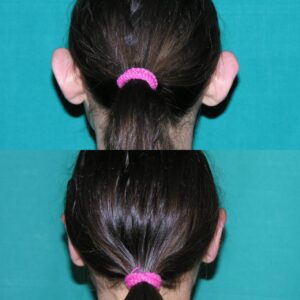
OTOPLASTY
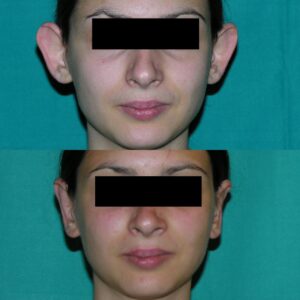
Otoplasty, also known as ear surgery, is a cosmetic procedure designed to improve the shape, size, and position of the ears. At Key Clinic, we offer both corrective and aesthetic otoplasty options to address various concerns, from protruding ears to asymmetries and deformities. Our skilled surgeons use advanced techniques to achieve natural-looking results, enhancing both appearance and self-confidence.
Procedure Overview
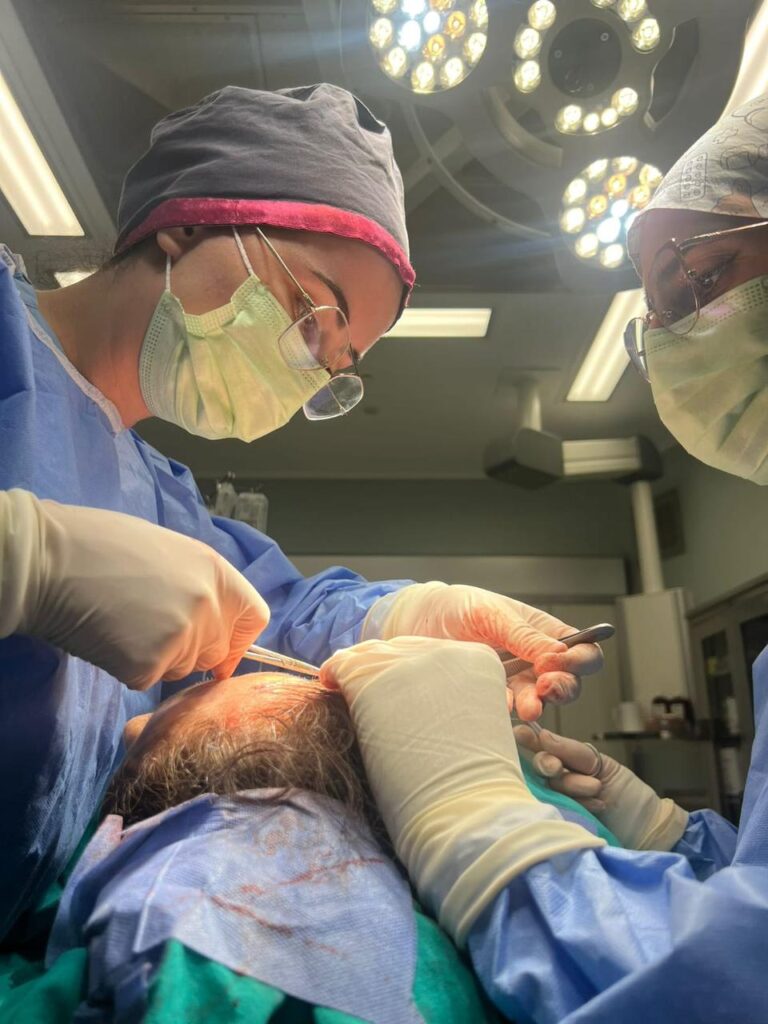
- Description: Otoplasty involves reshaping the ears through surgical techniques to correct issues such as protrusion, asymmetry, or congenital deformities. The procedure typically involves making incisions behind the ears to access the cartilage and then reshaping or repositioning it as needed.
- Benefits: Achieves a more balanced and aesthetically pleasing ear shape, improves ear symmetry, and enhances overall facial harmony.
Types of Otoplasty Techniques
Protruding Ear Correction:
- Description: This technique addresses ears that stick out from the head by repositioning the ear closer to the head. The surgeon makes an incision behind the ear, removes or reshapes cartilage, and then repositions the ear to achieve a more natural look.
- Benefits: Reduces the prominence of the ears, resulting in a more balanced facial appearance.
- Recovery: Typically involves a few days of downtime with swelling and discomfort gradually subsiding. Final results are visible after several weeks.
Ear Reshaping:
- Description: This technique corrects irregularities in the shape of the ear, such as overly large or asymmetrical ears. The surgeon makes precise adjustments to the cartilage and skin to refine the ear’s shape.
- Benefits: Enhances ear shape and proportion, improving overall facial aesthetics.
- Recovery: Similar to protruding ear correction, with gradual improvement in swelling and discomfort.
Conchal Bowl Reduction:
- Description: This technique involves reducing the size of the conchal bowl (the area of the ear closest to the head) to address excessively large or protruding ears. The surgeon removes excess cartilage and adjusts the conchal area for a more natural appearance.
- Benefits: Reduces ear size and improves overall ear position and shape.
- Recovery: Includes a short recovery period with typical swelling and discomfort, gradually resolving over a few weeks.
Ideal Candidates
Otoplasty is suitable for individuals who:
- Are bothered by the shape, size, or position of their ears.
- Are in good overall health and have realistic expectations about the outcomes.
- Have fully developed ears (usually recommended for children age 5 and older or adults seeking improvement).
- Seek to correct congenital deformities or improve aesthetic appearance.
Benefits
Otoplasty offers several key benefits, including:
- Improved Ear Appearance: Achieves a more balanced and aesthetically pleasing ear shape and position.
- Enhanced Facial Harmony: Corrects ear asymmetries and protrusions for a more harmonious facial appearance.
- Boosted Self-Confidence: Increases self-esteem and satisfaction with your appearance by addressing concerns about ear shape or position.
- Long-Lasting Results: Provides durable, natural-looking results with proper post-operative care.
Risks and Considerations
While otoplasty is generally safe, potential risks include:
- Scarring: Surgical incisions will leave scars, though they are typically well-hidden behind the ears.
- Swelling and Bruising: Temporary swelling and bruising are common and usually resolve within a few weeks.
- Infection: There is a risk of infection, managed through proper sterile techniques and post-operative care.
- Changes in Ear Sensation: Temporary or permanent changes in ear sensation may occur.
Recovery Process
The recovery period for otoplasty includes:
- Initial Healing: Expect some swelling, bruising, and discomfort, which can be managed with prescribed medications and supportive care.
- Post-Operative Care: Follow specific instructions for caring for the surgical sites, including wearing a headband to support healing and avoid pressure on the ears.
- Follow-Up Appointments: Regular follow-up visits are essential to monitor healing and ensure optimal results.
- Gradual Resumption of Activities: Resume normal activities and exercise gradually, based on your surgeon’s recommendations, to support a smooth recovery.
GALLERY