GYNECOMASTIA
TREATMENT
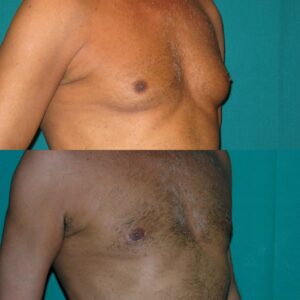
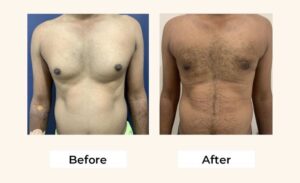
Gynecomastia treatment at Key Clinic addresses the condition of enlarged male breast tissue, which can cause physical discomfort and emotional distress. This condition, often due to hormonal imbalances, genetic factors, or medication side effects, can be effectively managed through surgical and non-surgical approaches. Our team of specialists at Key Clinic offers comprehensive gynecomastia treatments tailored to your specific needs, utilizing advanced techniques to restore a more masculine and natural chest contour.
TREATMENT OPTIONS
Liposuction:
- Description: Liposuction is a minimally invasive procedure that removes excess fat from the chest area through small incisions. This approach is suitable for cases where gynecomastia is primarily due to excess fatty tissue.
- Benefits: Reduces chest fat, enhances body contours, and provides a more sculpted appearance with minimal scarring.
- Recovery: Recovery usually involves a few days of rest and wearing a compression garment to support healing. Full results become visible after several weeks.
Surgical Excision:
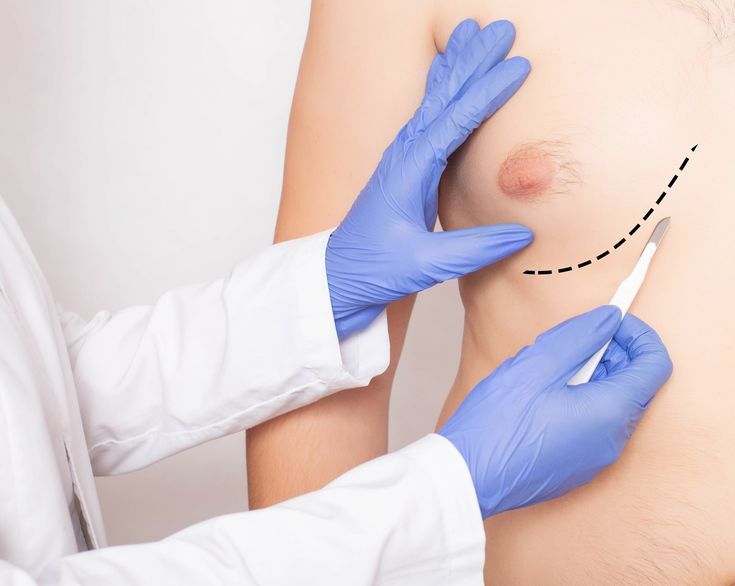
- Description: Surgical excision involves the removal of excess glandular tissue and, if necessary, excess skin from the chest area. This method is ideal for cases of significant glandular tissue or when liposuction alone is insufficient.
- Benefits: Provides a more comprehensive solution for severe gynecomastia, achieving a flatter and firmer chest contour.
- Recovery: Recovery typically involves a week or two of downtime, with post-operative care including wearing a compression garment and avoiding strenuous activities.
Combination Approach:
- Description: In some cases, a combination of liposuction and surgical excision may be used to achieve optimal results. This approach addresses both excess fat and glandular tissue for a more balanced outcome.
- Benefits: Combines the advantages of both methods for a more tailored solution to complex cases of gynecomastia.
- Recovery: Recovery involves the same process as the individual methods, with a combined approach potentially requiring slightly longer downtime.
Ideal Candidates
Gynecomastia treatment is suitable for individuals who:
- Experience enlarged breast tissue that causes physical discomfort or emotional distress.
- Are in good overall health and have realistic expectations about the outcomes.
- Have not found relief through non-surgical methods or lifestyle changes.
- Prefer a surgical solution to achieve a more masculine chest contour.
Benefits
Gynecomastia treatment offers several key benefits, including:
- Enhanced Appearance: Achieve a flatter, more masculine chest contour and restore confidence in your body image.
- Improved Comfort: Alleviate physical discomfort associated with enlarged breast tissue.
- Boosted Self-Esteem: Enjoy increased self-confidence and improved quality of life.
- Long-Lasting Results: Benefit from durable results with appropriate post-operative care and maintenance.
Risks and Considerations
While gynecomastia treatments are generally safe, potential risks include:
- Scarring: Surgical incisions will leave scars, though they are strategically placed to minimize visibility.
- Swelling and Bruising: Temporary swelling and bruising are common and typically resolve within a few weeks.
- Infection: There is a risk of infection, managed through strict sterile techniques and post-operative care.
- Changes in Sensation: Temporary or permanent changes in chest sensation may occur.
Recovery Process
The recovery period for gynecomastia treatment includes:
- Initial Healing: Expect swelling, bruising, and discomfort, which can be managed with prescribed medications and supportive care.
- Post-Operative Care: Follow detailed instructions for caring for the surgical sites, including wearing a compression garment and avoiding strenuous activities.
- Follow-Up Appointments: Regular follow-up visits are essential to monitor healing and ensure optimal results.
- Gradual Resumption of Activities: Resume normal activities and exercise gradually, based on your surgeon’s recommendations, to support a smooth recovery.
GALLERY