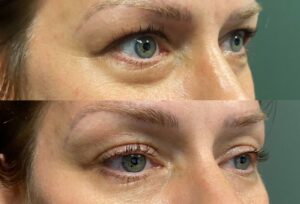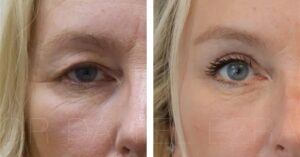
BLEPHAROPLASTY
Blepharoplasty, commonly known as eyelid surgery, is a specialized cosmetic procedure designed to enhance the appearance of the upper and/or lower eyelids. This surgery aims to correct issues such as drooping eyelids, under-eye bags, and excess skin that can contribute to a tired or aged appearance. At Key Clinic, our expert surgeons utilize advanced techniques to rejuvenate your eyes, resulting in a more youthful and refreshed look.

Procedure Overview
Blepharoplasty can be performed on the upper eyelids, lower eyelids, or both, depending on the individual’s needs. The procedure is typically conducted under local anesthesia with sedation or general anesthesia, lasting between one to three hours. For upper eyelid surgery, an incision is made along the natural crease of the eyelid to remove excess skin and fat. For lower eyelid surgery, incisions are often placed just below the lash line or inside the lower eyelid to address puffiness and sagging.
Ideal Candidates
Blepharoplasty is suitable for individuals who:
- Have drooping or sagging upper eyelids that impair vision or affect appearance.
- Experience puffiness or bags under the eyes due to excess fat deposits.
- Have excess skin or wrinkles on the lower eyelids.
- Are in good overall health and have realistic expectations about the outcomes of the surgery.
Benefits
Blepharoplasty offers numerous benefits, including:
- Enhanced Appearance: Achieve a more youthful and alert look by addressing drooping eyelids and under-eye bags.
- Improved Vision: In some cases, the procedure can improve peripheral vision if sagging eyelids are obstructing the field of view.
- Reduced Wrinkles: The removal of excess skin and fat can help smooth out wrinkles and fine lines around the eyes.
- Increased Confidence: Enjoy a refreshed and rejuvenated appearance that enhances your overall self-esteem and confidence.
Risks and Considerations
While blepharoplasty is a generally safe procedure, potential risks include:
- Infection: As with any surgery, there is a risk of infection, which is managed through sterile techniques and post-operative care.
- Scarring: Incisions are made in discreet areas to minimize visible scarring. However, some degree of scarring is inevitable.
- Dry Eyes: Temporary dryness or irritation of the eyes may occur but usually resolves with proper care.
- Asymmetry: There is a potential for minor asymmetry, which can be addressed through follow-up care.
Recovery Process
The recovery period for blepharoplasty typically involves:
- Initial Healing: Swelling and bruising are common and usually subside within one to two weeks. Cold compresses and prescribed medications can help manage these symptoms.
- Care for the Surgical Site: Follow post-operative instructions carefully to ensure proper healing, including using prescribed eye drops and avoiding strenuous activities.
- Follow-Up Appointments: Attend all scheduled follow-up visits to monitor progress and ensure optimal healing.
- Gradual Resumption of Activities: Resume normal activities as advised by your surgeon, avoiding any activities that may strain the eyes or eyelids.
GALLERY